Honest place to start: the best thing that happened in Belfast this year wasn’t something anyone in our industry made. But our industry had a hand in it, and that’s the part worth thinking about.
For eight days in August the streets around our office were closed to cars and handed over to the Fleadh. First time it’s ever been here. A concert on the steps of The Merchant, directly out of the office window. The footfall counters in the city centre logged 1,653,999 people – double what was predicted, and the biggest Fleadh there has ever been.
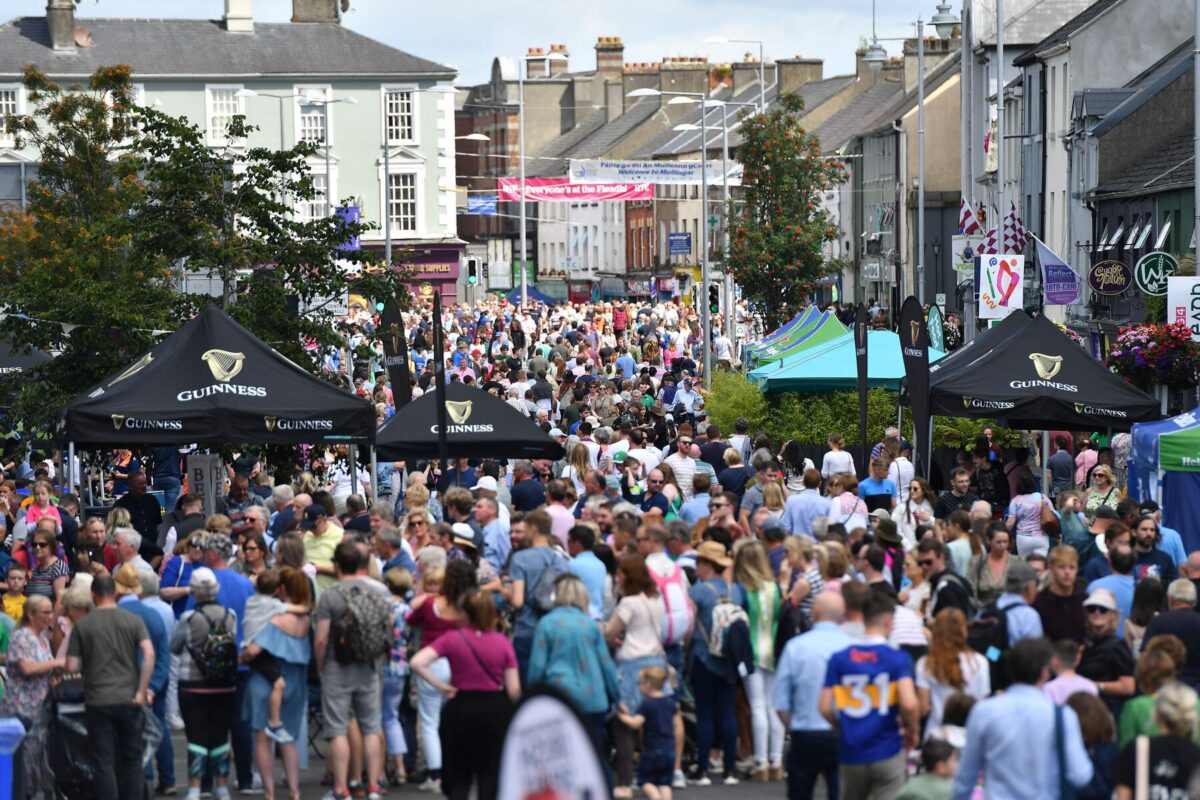
Belfast City Council made it, with Comhaltas and the Ards branch, a lot of volunteers and every publican in town. And there was a campaign – Tourism NI’s, on RTÉ and TG4 and in the Irish Independent (Unfleadhgettable, they called it – fair enough), and the council’s own across the city. Both did their job. People came, and they stayed longer than they’d planned.
But nobody came for the campaign. They came for the thing it was pointing at. You couldn’t get past it if you tried.
And it changed the week. Not the awareness of the week. The week.
I’m wary of how our industry talks about itself sometimes. Purpose, storytelling, brand love. It can sound full of it, even when it isn’t. So I’ll keep this plain.
Here’s the test I’ve been applying to everything since August, including our own work. If this thing didn’t exist, would anyone miss it?
That’s it. Not would it win something. Not would it test well. Not would the client like it. If you deleted it from the world on Monday, would anyone notice on Tuesday?
The Fleadh passes without trying. Take it away and the city loses a week it’ll talk about for a generation, and a few thousand kids lose the day they played a fiddle in the middle of a capital city.
Now the uncomfortable bit. A lot of what gets made doesn’t pass it, and I’m including some of ours. The film with the piano and the drone shot. The post that starts “we’re thrilled to announce”. The campaign that was about connection and didn’t build anything you could stand in. Delete them on Monday and not many people would notice on Tuesday.
That isn’t a criticism of the people who made them. Most of them were doing exactly what the brief asked, and doing it well. It’s a criticism of the brief. The Fleadh campaign worked because it had a Fleadh behind it. A lot of campaigns are asked to do the same job with nothing behind them, and no amount of craft fixes that.
I don’t say that to be miserable about it. I say it because when the thing behind the work is real, the work is a different thing altogether, and this year there’s been a lot of it.
Kilteely, County Limerick. 214 people. It had already lost its post office, its shops and its forge, and then Noreen Ahern couldn’t keep the last pub open. Twenty-six locals – a barrister and a dairy farmer among them – put in three hundred thousand euro of their own money and bought it, with no idea how to run one. Heineken didn’t make an ad about pubs. It trained them, put together a guide so the next village could do the same, and got Gar O’Rourke to film what happened. Take that away and a village loses its last shared room.
Heinz changed the shape of the fry box for the first time in seventy-five years so it actually holds ketchup. Small, a bit daft, and it fixed a thing that has annoyed people for seventy-five years.
A choir of thirty-four farmers, put together for a beer ad that was designed to get banned, went on to win Britain’s Got Talent.
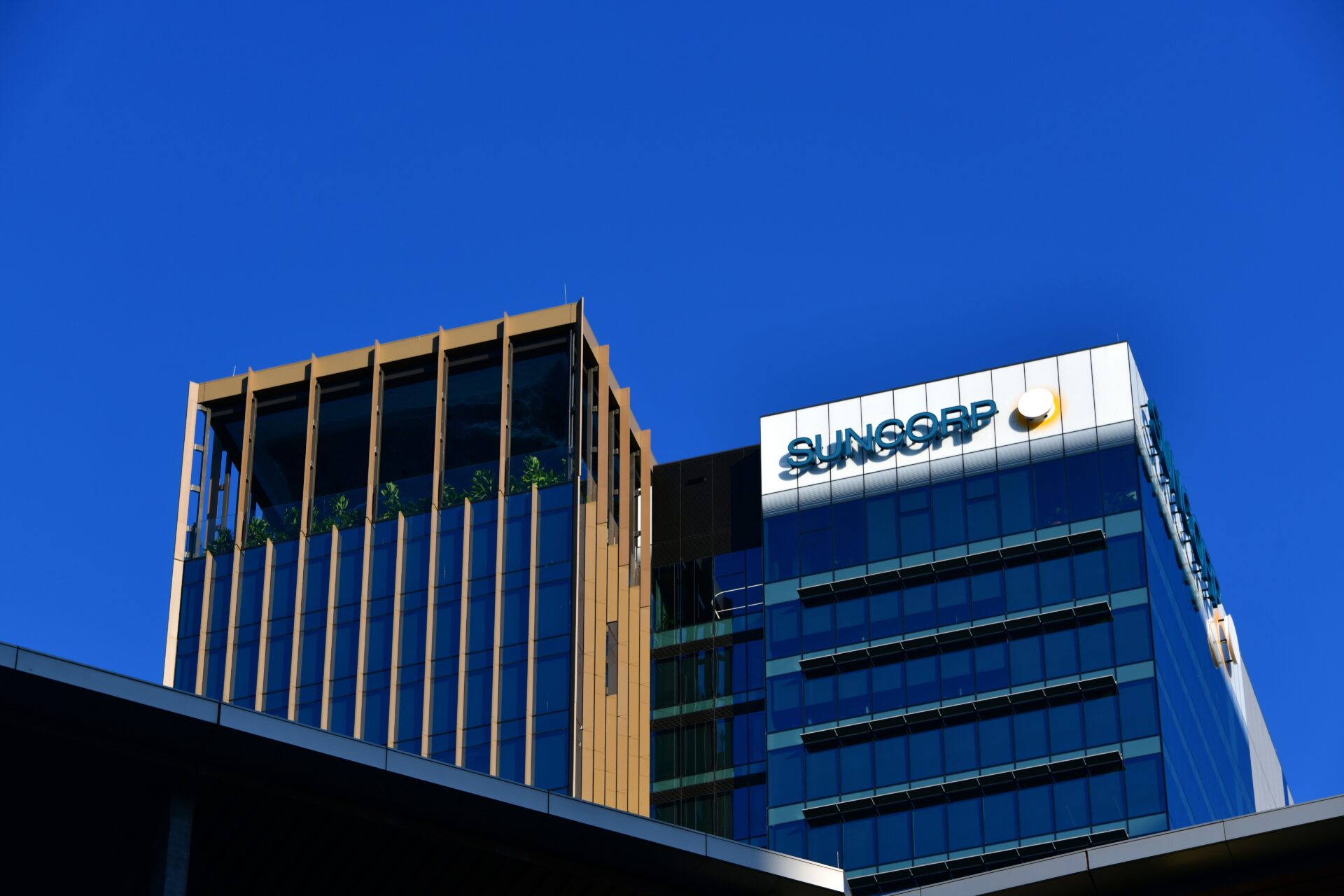
Suncorp, an insurer in Australia, where a tenth of homes may be uninsurable within a decade, built a tool that tells a family where their house is vulnerable before the weather arrives. Not another film about being there for you afterwards. Before.
Two of those picked up the top prize in their category at Cannes this summer, which is worth saying, because it means the industry knows this too. But that isn’t why they’re good. They’re good because if you took them away, somebody’s actual life would be a bit worse. That’s the whole standard. It isn’t complicated.
What it changes for us isn’t complicated either. Before we start anything now, we ask who would miss it, and we don’t mean the client. If the honest answer is nobody, we go back to the brief and find the thing to put behind it, however good the deck looks. It’s harder than it sounds, because the room can’t answer it. A village can. A family can. A kid with a fiddle case can.
None of this is about pointing fingers, ours included. It’s the opposite. Every one of those examples started with someone deciding nothing was stopping them from putting something real behind the work. That’s a decision, not a talent. Any brief can be pushed back on. Any budget can be spent on the thing itself instead of the film about the thing. If enough of us start asking who’d miss it before we start making it, the work gets better and so does the industry making it. That’s the bit worth getting excited about.
None of that is revolutionary, and that’s the point.
The Fleadh is back next August. The roads will close again and I’ll be at the window. We’ve a year to make something this city would notice if it were gone.
David.

By David Nurse
16th September 2026 • Updated on 17th September 2026
Would anyone miss it?
For eight days in August the streets around our office were closed to cars and handed over to the Fleadh. 1,653,999 people came. There was a good campaign behind it, but nobody came for the campaign. They came for the thing it was pointing at.
It’s left us with one test for everything we make. If this didn’t exist, would anyone notice it had gone?
Our MD David Nurse on what passes, what doesn’t, and what we do about it.